

-
同意与否
 (图片来源网络,侵删)
- 题目: Some people believe that studying art at school is no longer as important as studying science and technology. To what extent do you agree or disagree?
- 中文翻译: 一些人认为,在学校学习美术已不如学习科学技术重要,你在多大程度上同意或不同意?
-
讨论双方观点
- 题目: Some people argue that art is an essential subject for children at school, while others think it is a waste of time. Discuss both views and give your own opinion.
- 中文翻译: 一些人认为,艺术是学校儿童的必修科目,而另一些人则认为这是浪费时间,请讨论双方观点并给出你自己的看法。
下面我将按照这两种最常见的形式,为您提供详细的审题、思路构建和范文参考。
同意与否
** Some people believe that studying art at school is no longer as important as studying science and technology. To what extent do you agree or disagree?
审题与思路构建
- 题目核心: 比较艺术与科技/科学在学校教育中的重要性。
-
no longer as important(不再那么重要),science and technology(科学技术)。 - 任务: 你需要明确表达立场:是完全同意、部分同意 还是不同意。
- 我的立场(推荐): 部分同意,这是一个最容易展开、也最符合现实的立场,我们可以承认科技在现代社会的重要性,但同时也强调艺术不可替代的独特价值。
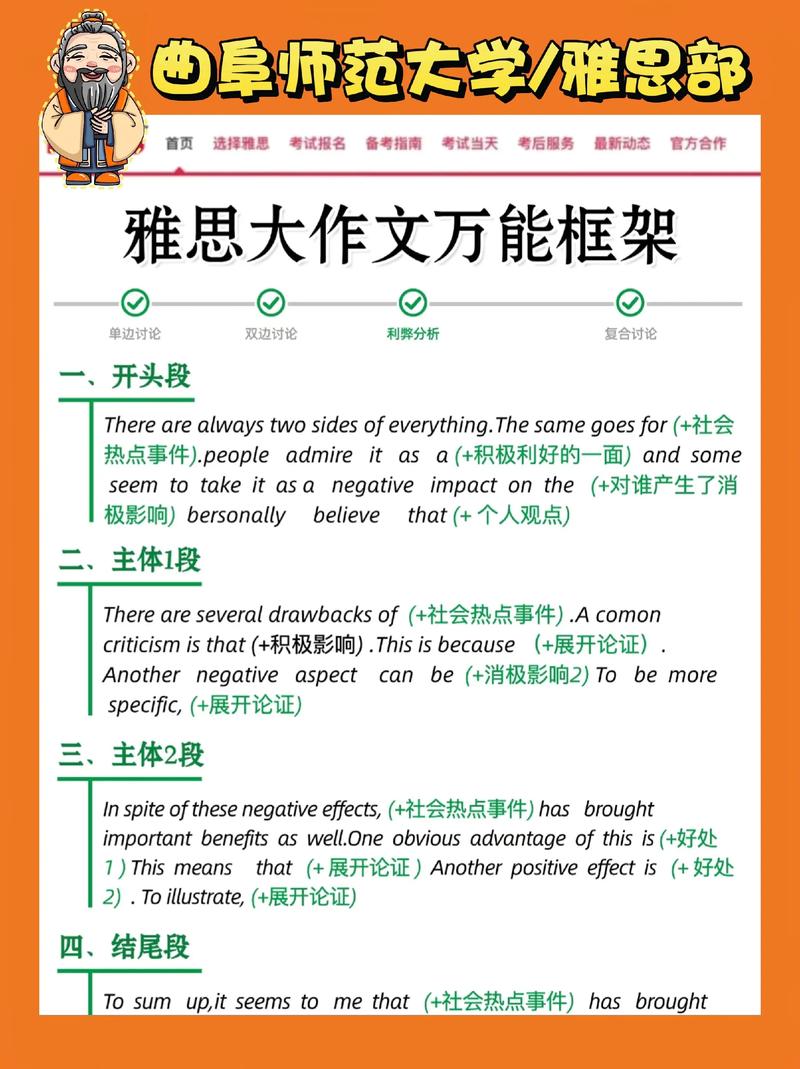
文章结构:
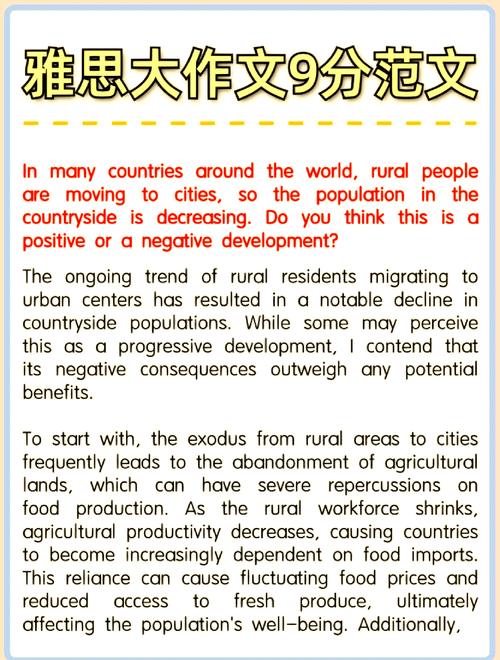
-
- 背景引入:当今世界,科技飞速发展,许多人因此认为艺术教育的重要性在下降。
- 转述题目:有人认为在学校学习艺术已不如学习科学技术重要。
- 明确立场:我部分同意这一观点,虽然科学技术对于社会进步和个人发展至关重要,但艺术教育在培养人文素养和关键能力方面扮演着同等重要的角色。
-
主体段一 (同意方观点 - 承认科技的重要性):
- 主题句: 确实,在当今以创新和数字驱动的社会中,科学技术教育的价值不容忽视。
- 论证1 (社会层面): 科学技术是推动经济发展、解决全球性挑战(如气候变化、公共卫生)的核心动力,国家的竞争力很大程度上取决于其在STEM(科学、技术、工程、数学)领域的实力。
- 论证2 (个人层面): 掌握科技知识为个人提供了更广阔的职业前景和更高的收入潜力,这直接关系到个人的经济独立和生活质量。
- 小结: 将资源优先投入科技教育是合乎逻辑的。
-
主体段二 (不同意方观点 - 强调艺术的重要性):
- 主题句: 将艺术教育视为次要科目是短视的,因为它在培养人类独特能力方面具有不可替代的作用。
- 论证1 (认知与创造力): 艺术教育,尤其是视觉艺术和音乐,能够激发学生的创造力、想象力和批判性思维,这些“软技能”是科技创新的源泉,许多伟大的科学突破都源于跨学科的灵感和美学思考。
- 论证2 (情感与人文素养): 艺术是文化传承和情感表达的载体,学习艺术有助于学生理解不同文化、历史和人性,培养同理心和审美能力,这对于构建一个和谐、有温度的社会至关重要,缺乏人文关怀的科技发展可能会带来伦理问题。
- 小结: 艺术教育对于培养全面发展的人是必不可少的。
-
- 重申立场:我认为科学技术和艺术教育并非相互对立,而是相辅相成的关系。
- 总结观点:科技为我们提供了“工具”和“方法”,而艺术则赋予我们“目标”和“意义”。
- 最终建议:最理想的教育体系应将两者并重,培养出既拥有强大科技能力,又具备深厚人文素养的未来公民。
范文参考
In an era dominated by rapid technological advancement, a prevalent view suggests that the study of art in schools has diminished in significance compared to science and technology. While I concur that the latter is undeniably crucial for societal progress, I firmly believe that art education retains an equally vital role in fostering well-rounded individuals.
Admittedly, the argument prioritising science and technology is compelling. In our modern, innovation-driven world, proficiency in these fields is the primary engine of economic growth and global competitiveness. Nations leading in STEM (Science, Technology, Engineering, and Mathematics) disciplines are often at the forefront of solving complex global issues, from climate change to pandemics. Furthermore, for individuals, a strong foundation in science and technology typically translates into a wider array of lucrative career opportunities, directly enhancing their financial security and quality of life. From this perspective, channelling educational resources towards these practical subjects seems a logical and necessary step.
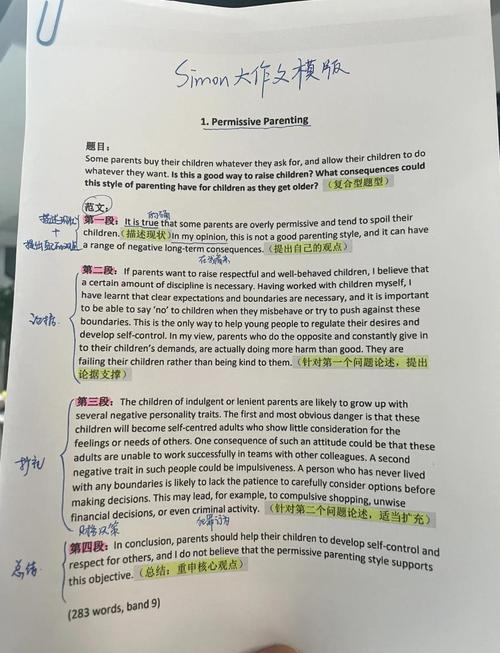
However, to relegate art to a secondary status is to overlook its profound and unique contributions to human development. Firstly, art education is a powerful catalyst for creativity and critical thinking. Engaging with painting, music, or literature encourages students to think outside the box, experiment with novel ideas, and develop a unique perspective. These are not merely "soft skills" but the very essence of innovation, which often fuels breakthroughs in scientific research. Many of history's greatest scientists, like Albert Einstein, have credited their artistic sensibilities for inspiring their scientific inquiries. Secondly, art serves as a vital conduit for emotional expression and cultural understanding. It allows students to explore their own feelings and connect with the experiences of others across different times and cultures. This cultivates empathy, a sense of identity, and a broader worldview, which are essential for building a compassionate and cohesive society. An education devoid of art risks producing technically proficient but emotionally and culturally impoverished individuals.
In conclusion, while the practical importance of science and technology in today's world is undeniable, it would be a grave mistake to underestimate the value of art education. They are not opposing forces but complementary pillars of a complete education. Science provides the tools to build our world, while art teaches us why and how to build it beautifully and meaningfully. Therefore, an ideal curriculum should strive for a harmonious balance between the two to nurture the next generation of innovative, capable, and humane citizens.
讨论双方观点
** Some people argue that art is an essential subject for children at school, while others think it is a waste of time. Discuss both views and give your own opinion.
审题与思路构建
- 题目核心: 辩论艺术在学校课程中是否是“必需品”还是“浪费时间”。
-
essential subject(必修科目),waste of time(浪费时间)。 - 任务: 你需要中立地讨论这两种观点,然后在文章结尾给出你自己的、经过论证的观点。
文章结构:
-
- 背景引入:在学校课程设置中,艺术科目的地位一直存在争议。
- 转述题目:一些人认为艺术是儿童的必修科目,而另一些人则认为这是浪费时间。
- 预告结构:本文将探讨这两种截然不同的看法,并最终给出我的观点。
-
主体段一 (认为艺术是必修科目的观点):
- 主题句: 支持者认为,艺术教育是儿童全面发展的基石。
- 论证1 (创造力与自我表达): 艺术为儿童提供了无法用语言表达的创造性出口,通过绘画、雕塑或戏剧,他们可以探索想象力,发展独特的个人风格,这对于认知发展至关重要。
- 论证2 (软技能与情感发展): 学习艺术需要耐心、专注力和纪律,它还能教会学生如何接受批评、从失败中学习,并欣赏美,这些品质对他们的未来生活和职业都大有裨益。
- 小结: 艺术不仅是技能学习,更是人格塑造的过程。
-
主体段二 (认为艺术是浪费时间的观点):
- 主题句: 反对者则从实用主义的角度出发,认为艺术教育占用了学习更“重要”科目的时间。
- 论证1 (资源分配): 在有限的教学时间和预算下,学校资源应该优先投入到能带来明确职业前景和实用技能的科目上,如数学、科学和语言,艺术,在他们看来,是一种“奢侈品”,而非“必需品”。
- 论证2 (学术压力): 对于面临升学压力的学生来说,花时间在艺术上可能会分散他们对核心学术科目的精力,从而影响考试成绩和未来的升学机会。
- 小结: 在激烈的竞争环境下,艺术被视为一种效率低下的时间投入。
-
- 总结双方观点:艺术教育的支持者看重其对创造力和人格发展的长期价值,而反对者则更关注其在资源分配和学术竞争中的短期实用性。
- 给出我的观点: 尽管上述观点有其道理,但我认为艺术教育绝非浪费时间,它所培养的创造力和批判性思维是未来社会最需要的核心能力。
- 最终建议: 学校不应削减艺术课程,而应将其整合到更广泛的课程中,确保每个学生都能从中受益,从而为他们的未来奠定坚实的基础。
范文参考
The role of art in school curricula has long been a topic of debate. While some advocate for art as an essential component of a child's education, others dismiss it as a frivolous use of valuable time. This essay will discuss both perspectives before presenting my own view.
On the one hand, proponents of art education argue that it is fundamental to a child's holistic development. They contend that art provides a unique platform for creativity and self-expression that cannot be replicated by other academic subjects. Through activities like painting, music, and drama, children learn to explore their imagination, experiment with ideas, and develop a personal voice, which is crucial for cognitive growth. Furthermore, engaging with art cultivates valuable soft skills. It requires patience, discipline, and sustained focus. Moreover, learning to critique one's own work and accept feedback builds resilience and a capacity for self-reflection, all of which are invaluable for personal and professional life in the future. In this view, art education is not merely about learning to draw or play an instrument; it is about shaping well-rounded, empathetic, and innovative individuals.
On the other hand, critics of art education approach the issue from a more pragmatic standpoint. They argue that in an increasingly competitive world, school time and resources should be prioritised on subjects with clear, tangible benefits for future employment. Subjects like mathematics, science, and foreign languages are seen as providing direct pathways to stable and lucrative careers. In contrast, art is often perceived as a non-essential "luxury" that offers fewer concrete job prospects. For students facing immense academic pressure, such as examinations for higher education, dedicating time to art could be seen as diverting attention from core subjects that are more likely to influence their future success. From this perspective, art education is an inefficient allocation of limited time and energy.
In conclusion, while the arguments against art education highlight legitimate concerns about resource allocation and academic pressure, I firmly believe that dismissing it as a waste of time is a short-sighted view. The skills fostered by art—creativity, critical thinking, and emotional intelligence—are precisely the attributes that will be most sought after in the future workforce, which is increasingly automated and globalised. Therefore, rather than being cut, art should be integrated into the curriculum as a vital component of a comprehensive education, ensuring that students are not just prepared for a job, but for a rich and fulfilling life.